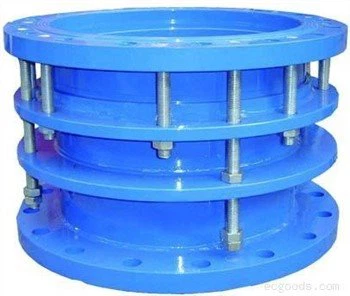
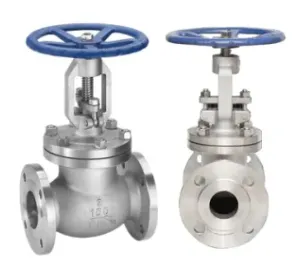
As a supplier of Steel Round Gates, I've been deeply involved in the industry for years, constantly exploring and understanding the nuances of the steel quality used in these essential components. In this blog, I'll share my insights into the quality of steel employed by different manufacturers, which will be valuable for those interested in Steel Round Gate procurement.
Understanding the Basics of Steel Quality
Steel is a complex alloy primarily composed of iron and carbon, with other elements added to enhance specific properties. The quality of steel in a Steel Round Gate can significantly impact its performance, durability, and cost. When evaluating the steel quality, several key factors come into play.
Chemical Composition
The chemical makeup of steel determines its fundamental properties. For instance, carbon content affects the hardness and strength of the steel. Higher carbon content generally results in greater hardness but reduced ductility. Manufacturers may also add elements like chromium, nickel, and molybdenum to improve corrosion resistance, toughness, and heat resistance. A well - balanced chemical composition is crucial for a Steel Round Gate to withstand the harsh environments it may encounter, such as high - pressure fluids or corrosive substances.
Mechanical Properties
Mechanical properties, including tensile strength, yield strength, and elongation, are vital indicators of steel quality. Tensile strength measures the maximum stress a material can withstand before breaking, while yield strength is the stress at which the material begins to deform permanently. Elongation refers to the percentage increase in length of a specimen under tensile stress. A Steel Round Gate with high tensile and yield strengths is more likely to resist deformation and failure under pressure, ensuring long - term reliability.
Heat Treatment
Heat treatment is a critical process that can significantly alter the properties of steel. Processes like quenching and tempering can increase the hardness and toughness of the steel, making it more suitable for demanding applications. Different manufacturers may have their own proprietary heat - treatment methods, which can lead to variations in the final quality of the Steel Round Gate.
Variations in Steel Quality Among Manufacturers
Large - Scale Manufacturers
Large - scale manufacturers often have the resources and expertise to produce high - quality steel for Steel Round Gates. They typically invest in advanced production equipment and research and development to optimize the steel's chemical composition and mechanical properties. These manufacturers usually adhere to strict quality control standards, ensuring that each batch of steel meets or exceeds industry requirements. However, their products may come at a higher cost due to the investment in technology and quality assurance.
Small - and Medium - Sized Manufacturers
Small - and medium - sized manufacturers may offer more cost - effective options. They may source steel from different suppliers and have their own unique production processes. While some may be able to produce steel of comparable quality to large manufacturers, others may cut corners to reduce costs. For example, they may use lower - grade raw materials or skip certain quality - control steps. As a result, the quality of Steel Round Gates from these manufacturers can be more variable.
Regional Differences
Regional differences can also play a role in steel quality. Manufacturers in regions with a strong steel - making tradition may have access to high - quality raw materials and well - established production techniques. For instance, some countries are known for their expertise in producing corrosion - resistant steels, which can be particularly advantageous for Steel Round Gates used in marine or chemical industries. On the other hand, manufacturers in regions with limited resources or less - developed steel - making infrastructure may face challenges in producing high - quality steel.
Impact of Steel Quality on Steel Round Gate Performance
Durability
The quality of steel directly affects the durability of a Steel Round Gate. High - quality steel can resist wear, corrosion, and fatigue over time, reducing the need for frequent replacements. In contrast, low - quality steel may corrode quickly, leading to leaks and failures. For example, in a water - treatment plant, a Steel Round Gate made of inferior steel may rust and lose its sealing ability, causing water leakage and potentially disrupting the entire treatment process.
Performance Under Pressure
Steel Round Gates are often subjected to high - pressure environments. Steel with excellent mechanical properties can withstand these pressures without deforming or failing. A gate made of high - strength steel can maintain its shape and functionality even under extreme pressure, ensuring reliable operation. On the other hand, a gate made of low - quality steel may buckle or crack under pressure, leading to system failures and safety hazards.
Compatibility with Fluids
The chemical composition of the steel determines its compatibility with different fluids. For example, in the oil and gas industry, Steel Round Gates need to be resistant to the corrosive effects of hydrocarbons and other chemicals. High - quality steel with appropriate alloying elements can provide the necessary corrosion resistance, while low - quality steel may react with the fluids, leading to degradation and failure.
Choosing the Right Manufacturer Based on Steel Quality
Research and Reputation
Before choosing a manufacturer, it's essential to conduct thorough research. Look for manufacturers with a good reputation in the industry. Read customer reviews and testimonials to get an idea of the quality of their products. A manufacturer with a long - standing history of producing high - quality Steel Round Gates is more likely to continue delivering reliable products.


Certification and Standards
Check if the manufacturer's products meet relevant industry standards and certifications. For example, ISO 9001 certification indicates that the manufacturer has a quality management system in place. Other industry - specific certifications, such as API standards for the oil and gas industry, can also be a sign of high - quality products.
Sample Testing
If possible, request samples from different manufacturers and conduct independent testing. This can help you directly assess the steel quality in terms of chemical composition, mechanical properties, and corrosion resistance. By comparing the test results, you can make a more informed decision about which manufacturer to choose.
Conclusion
The quality of steel used in a Steel Round Gate varies significantly among different manufacturers. As a supplier, I understand the importance of providing high - quality products to meet the diverse needs of our customers. When choosing a Steel Round Gate, it's crucial to consider the steel quality, which can impact the gate's durability, performance, and compatibility with different environments.
If you're in the market for a Steel Round Gate, don't hesitate to reach out. We're committed to providing you with the best - quality products and can offer valuable advice based on your specific requirements. Whether you need a gate for a water - treatment plant, an oil refinery, or any other application, we have the expertise to help you make the right choice. Also, if you're interested in other types of gates, such as Steel Square Gate or Resilient Seated Gate Valve, we can provide relevant information and options.
Let's start a conversation about your Steel Round Gate needs and find the perfect solution together.
References
- ASM Handbook Committee. (2004). ASM Handbook, Volume 1: Properties and Selection: Irons, Steels, and High - Performance Alloys. ASM International.
- Degarmo, E. P., Black, J. T., & Kohser, R. A. (2003). Materials and Processes in Manufacturing. John Wiley & Sons.
- Shreir, L. L., Jarman, R. A., & Burstein, G. T. (1994). Corrosion. Butterworth - Heinemann.