In the world of fluid control systems, gate valves play a pivotal role. As a trusted gate valve supplier, I've witnessed firsthand the importance of understanding the standards for gate valve manufacturing. These standards not only ensure the quality and performance of the valves but also guarantee their safety and reliability in various applications. In this blog post, I'll delve into the key aspects that define the standard for gate valve manufacturing.
Material Selection
The choice of materials is fundamental in gate valve manufacturing. Different applications demand different materials to withstand varying pressures, temperatures, and corrosive environments. For instance, in the oil and gas industry, where valves are exposed to harsh chemicals and high pressures, materials like stainless steel, carbon steel, and alloy steel are commonly used. Stainless steel offers excellent corrosion resistance, making it suitable for applications in chemical processing plants and marine environments. Carbon steel, on the other hand, is known for its strength and durability, making it a popular choice for general industrial applications.
Alloy steel is often used in high-temperature and high-pressure applications, such as power generation plants. These materials are carefully selected based on their mechanical properties, chemical composition, and resistance to wear and tear. At our company, we source materials from reputable suppliers and conduct rigorous quality checks to ensure that they meet the required standards. This ensures that our gate valves can perform optimally in even the most demanding conditions.
Design and Engineering
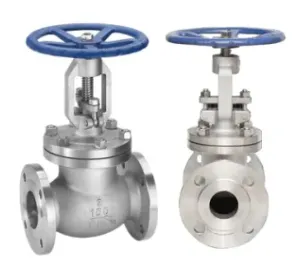
The design of a gate valve is crucial for its functionality and performance. A well-designed gate valve should have a smooth and efficient flow path to minimize pressure drop and ensure reliable shut-off. The gate, which is the moving part of the valve, should be designed to provide a tight seal against the seat to prevent leakage. There are different types of gate valve designs, including Rising Stem Flanged Gate Valve Z41H, which features a rising stem that indicates the position of the gate, and Parallel Gate Valve, which has two parallel gates that provide a better seal.
In addition to the gate design, the body, bonnet, and other components of the valve also need to be carefully engineered. The body should be strong enough to withstand the pressure and forces exerted on the valve, while the bonnet should provide a secure enclosure for the internal components. Our engineering team uses advanced design software and simulation tools to optimize the design of our gate valves. We also conduct extensive testing to ensure that the valves meet the required performance standards before they are released to the market.
Manufacturing Processes
The manufacturing processes used in gate valve production are critical for ensuring the quality and consistency of the valves. Precision machining is used to create the various components of the valve with high accuracy. This includes machining the gate, seat, stem, and other parts to the required dimensions and surface finishes. Welding is another important process in gate valve manufacturing, especially for joining the body and bonnet. High-quality welding techniques are used to ensure strong and leak-proof joints.
Heat treatment is also commonly used to improve the mechanical properties of the materials. This can enhance the hardness, strength, and toughness of the components, making them more resistant to wear and corrosion. At our manufacturing facility, we have state-of-the-art equipment and a highly skilled workforce. We follow strict manufacturing procedures and quality control measures to ensure that every gate valve we produce meets the highest standards.
Testing and Quality Assurance
Testing is an integral part of the gate valve manufacturing process. Before a valve is shipped to the customer, it undergoes a series of tests to ensure its performance and reliability. Pressure testing is conducted to verify that the valve can withstand the specified pressure without leakage. This includes hydrostatic testing, where the valve is filled with water and pressurized to a certain level, and pneumatic testing, which uses air or gas to test the valve's integrity.
Sealing performance testing is also crucial to ensure that the valve provides a tight seal when closed. This is typically done by measuring the leakage rate under specific conditions. In addition to these tests, we also conduct non-destructive testing, such as ultrasonic testing and magnetic particle testing, to detect any internal defects in the components. Our quality assurance team is responsible for overseeing the testing process and ensuring that all valves meet the required standards.
Compliance with Industry Standards
Gate valve manufacturing is subject to various industry standards and regulations. These standards are established by organizations such as the American National Standards Institute (ANSI) and the International Organization for Standardization (ISO). Compliance with these standards is essential to ensure the safety and performance of the valves. For example, ANSI Gate Valve ANSI meets the standards set by ANSI, which specify the dimensions, materials, and performance requirements for gate valves.
Our company is committed to complying with all relevant industry standards. We regularly update our manufacturing processes and products to ensure that they meet the latest requirements. By adhering to these standards, we can provide our customers with gate valves that are safe, reliable, and of the highest quality.


Customization and Customer Support
While we offer a wide range of standard gate valves, we also understand that some customers may have specific requirements. That's why we offer customization services to meet the unique needs of our clients. Whether it's a special size, material, or design, our engineering team can work with you to develop a customized gate valve solution.
In addition to customization, we also provide excellent customer support. Our sales team is available to answer your questions and provide technical assistance. We also offer after-sales support to ensure that your gate valves continue to perform optimally throughout their lifespan. If you have any issues or need maintenance services, our team will be there to help.
Conclusion
As a gate valve supplier, we recognize the importance of adhering to the highest standards in manufacturing. From material selection and design to manufacturing processes and testing, every step is crucial for ensuring the quality and performance of our gate valves. By following strict quality control measures and complying with industry standards, we can provide our customers with reliable and durable gate valves that meet their specific needs.
If you're in the market for high-quality gate valves, we invite you to contact us for a consultation. Our team of experts will be happy to discuss your requirements and provide you with the best solutions. We look forward to working with you to meet your gate valve needs.
References
- ANSI Standards for Gate Valves
- ISO Standards for Valve Manufacturing
- Industry Publications on Fluid Control Systems