Hey there! As a supplier of rubber elbows, I often get asked a pretty common question: Can rubber elbows be used in sewage systems? Well, let's dive right into this topic and break it down.
First off, let's talk about what rubber elbows are. They're basically flexible pipe fittings made of rubber. These bad boys are designed to connect two pipes at an angle, usually 45 or 90 degrees. They're super handy because they can absorb vibrations, compensate for misalignments, and handle a bit of movement between pipes.


Now, when it comes to sewage systems, there are a few key factors we need to consider before deciding if rubber elbows are a good fit.
Chemical Resistance
Sewage is a nasty mix of all sorts of stuff. It's got water, of course, but also human waste, chemicals from cleaning products, and sometimes even industrial waste. Rubber elbows need to be able to stand up to these harsh chemicals without breaking down.
Most high - quality rubber elbows are made from materials like EPDM (Ethylene Propylene Diene Monomer) or NBR (Nitrile Butadiene Rubber). EPDM is known for its excellent resistance to weather, ozone, and many chemicals. It can handle a wide range of pH levels, which is great because sewage can vary in acidity or alkalinity. NBR, on the other hand, is more resistant to oils and fuels. In a sewage system, EPDM is often the preferred choice because it can withstand the chemical environment better.
Durability and Longevity
Sewage systems are meant to last for a long time. So, the rubber elbows we use in them need to have good durability. They're constantly exposed to water, dirt, and pressure. The rubber material should be able to resist wear and tear over the years.
A well - made rubber elbow can last for decades if it's installed correctly and used in the right conditions. It should be able to handle the constant flow of sewage without cracking or leaking. This is important because a leak in a sewage system can lead to all sorts of problems, like water pollution and health hazards.
Flexibility and Movement
Sewage pipes can move a bit over time due to ground settlement, temperature changes, or even the pressure of the flowing sewage. Rubber elbows are great at dealing with this movement. Their flexibility allows them to bend and stretch without breaking.
For example, if the ground under a sewage pipe settles a little, the rubber elbow can adjust to the new position of the pipes. This helps prevent stress on the pipes and reduces the risk of cracks or breaks. It also means that the installation doesn't have to be perfectly precise, as the rubber elbow can compensate for small misalignments.
Pressure Handling
Sewage systems operate under different pressures depending on the location and the type of system. Rubber elbows need to be able to handle these pressures without bursting.
Most rubber elbows are rated for a certain pressure range. When choosing a rubber elbow for a sewage system, it's important to make sure that its pressure rating is suitable for the specific application. For instance, in a high - pressure sewage pumping station, you'll need a rubber elbow with a higher pressure rating than in a simple gravity - fed sewage line.
Installation and Maintenance
One of the great things about rubber elbows is that they're relatively easy to install. They can be connected to pipes using clamps or flanges. This means that installation doesn't require a lot of specialized tools or skills.
Maintenance is also pretty straightforward. You just need to check the rubber elbows periodically for signs of damage, like cracks or wear. If you notice any problems, you can usually replace the rubber elbow quickly and easily.
Comparing with Other Pipe Fittings
When it comes to sewage systems, there are other types of pipe fittings available, like metal elbows. Metal elbows are strong and can handle high pressures, but they're not as flexible as rubber elbows. They can also be more prone to corrosion in a sewage environment.
On the other hand, plastic elbows are lightweight and inexpensive, but they may not be as durable as rubber elbows in the long run. They can also be more brittle and less able to handle movement.
So, in many cases, rubber elbows offer a good balance of flexibility, durability, and chemical resistance for sewage systems.
Applications in Different Sewage Systems
Rubber elbows can be used in various types of sewage systems. In residential sewage systems, they're often used to connect the plumbing in a house to the main sewer line. They can help deal with any small misalignments between the pipes and absorb vibrations from the water flow.
In commercial and industrial sewage systems, rubber elbows are also useful. For example, in a factory sewage system, they can handle the higher volumes and pressures of sewage. They can also deal with any chemicals that may be present in the industrial waste.
Related Products
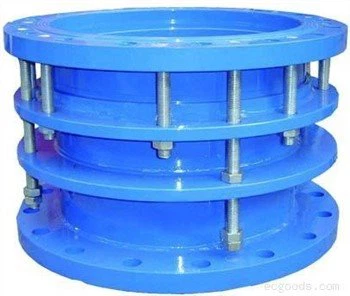
If you're considering using rubber elbows in your sewage system, you might also be interested in other related products. For example, Flange Pipe Expansion Joint can be used in conjunction with rubber elbows. These expansion joints are designed to absorb movement and vibration in the pipes, similar to rubber elbows. They're especially useful in larger sewage systems where there's more movement and pressure.
Another related product is the Double Flange Expansion Joint. This type of expansion joint has flanges on both ends, which makes it easier to connect to pipes. It can also handle higher pressures and larger movements than some other types of expansion joints.
Conclusion
So, can rubber elbows be used in sewage systems? Absolutely! They offer a lot of benefits, including chemical resistance, durability, flexibility, and ease of installation and maintenance. However, it's important to choose the right rubber elbow for your specific sewage system. Make sure to consider factors like chemical environment, pressure, and movement when making your selection.
If you're in the market for rubber elbows or any of the related products I mentioned, don't hesitate to reach out. I'm here to help you find the best solutions for your sewage system. Whether you're a homeowner looking to upgrade your plumbing or a contractor working on a large - scale sewage project, I can provide you with high - quality rubber elbows and expert advice.
Let's start a conversation and see how we can work together to make your sewage system more efficient and reliable.
References
- "Handbook of Elastomers" by B. D. Croll and C. P. Park
- "Pipe Fittings Handbook" by R. K. Singh