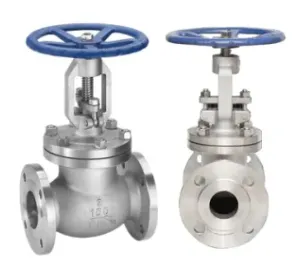
Hey there! As a supplier of Rising Stem Gate Valves, I often get asked about the maintenance these valves require. In this blog, I'll break down everything you need to know about keeping your Rising Stem Gate Valve in tip - top shape.
1. Regular Inspection
First things first, regular inspection is key. You should visually check your valve on a routine basis. Look for any signs of wear and tear, corrosion, or leaks. A simple visual inspection can help you catch potential problems early on.
For instance, check the stem for any signs of damage. The stem is an important part of the Rising Stem Gate Valve as it moves up and down to open and close the valve. If the stem is bent or has excessive wear, it can affect the valve's performance. Inspect the packing around the stem too. A damaged packing can lead to leaks. You can check out our Rising Stem Flanged Gate Valve Z41H for more details on the stem and other components.
Also, take a look at the valve body. Look for any cracks or pitting on the surface. Cracks can cause the valve to fail, and pitting can lead to corrosion that weakens the valve over time.
2. Lubrication
Lubrication is another crucial aspect of maintaining a Rising Stem Gate Valve. The moving parts of the valve, such as the stem and the threads, need proper lubrication to function smoothly.
Use a high - quality lubricant that is suitable for the valve's operating environment. For example, if the valve is used in a high - temperature environment, you'll need a lubricant that can withstand those temperatures. Apply the lubricant regularly according to the manufacturer's recommendations. Usually, it's a good idea to lubricate the valve at least once every few months, but this can vary depending on how often the valve is used.
Lubrication not only reduces friction between the moving parts but also helps prevent corrosion. A well - lubricated valve will have a longer lifespan and will operate more efficiently.
3. Cleaning
Keeping the valve clean is essential. Dirt, debris, and other contaminants can accumulate inside the valve and cause problems. For example, debris can get stuck in the valve seat, preventing it from closing properly and leading to leaks.


You can use a mild detergent and water to clean the exterior of the valve. For the interior, you may need to disassemble the valve carefully (if possible) and clean each part. Make sure to dry all the parts thoroughly before reassembling the valve.
If the valve is used in a particularly dirty or corrosive environment, you may need to clean it more frequently. For instance, in a wastewater treatment plant, the valve may need to be cleaned every few weeks to prevent the build - up of sludge and other contaminants.
4. Seat and Disc Maintenance
The seat and disc of the Rising Stem Gate Valve are critical components. They are responsible for creating a tight seal when the valve is closed. Over time, the seat and disc can wear out, especially if the valve is used frequently.
Inspect the seat and disc for any signs of damage, such as scratches or erosion. If you notice any damage, you may need to replace the seat or disc. You can find high - quality replacement parts for our valves. Just like our Resilient Seated Gate Valve, which has a well - designed seat and disc for optimal performance.
Make sure the seat and disc are properly aligned when you reassemble the valve. A misaligned seat and disc can cause leaks and reduce the valve's efficiency.
5. Pressure Testing
Periodic pressure testing is a good way to ensure that the valve is functioning properly. Pressure testing can help you detect any leaks or other problems that may not be visible during a visual inspection.
You can use a pressure testing device to test the valve at the recommended pressure levels. If the valve fails the pressure test, it may need further inspection and repair.
The frequency of pressure testing depends on the application and the valve's operating conditions. In some critical applications, such as in a high - pressure pipeline, the valve may need to be pressure - tested every few months.
6. Stem and Nut Maintenance
The stem and nut of the Rising Stem Gate Valve work together to open and close the valve. Check the stem and nut for any signs of wear, such as stripped threads. If the threads are damaged, the valve may not operate smoothly, and it may be difficult to open or close the valve.
Lubricate the stem and nut regularly to reduce friction. Also, make sure the nut is tightened properly but not overly tightened, as this can damage the threads.
7. Gasket Replacement
Gaskets are used to create a seal between different parts of the valve, such as the valve body and the bonnet. Over time, gaskets can deteriorate due to factors like temperature, pressure, and chemical exposure.
Inspect the gaskets regularly for any signs of damage, such as cracks or leaks. If you notice any problems with the gaskets, replace them immediately. Using high - quality gaskets is important to ensure a proper seal and prevent leaks.
8. Monitoring the Operating Conditions
Keep an eye on the operating conditions of the valve. If the valve is subjected to abnormal pressure, temperature, or flow rates, it can cause premature wear and damage.
For example, if the valve is operating at a higher pressure than it is designed for, it can put extra stress on the valve components, leading to faster wear. If you notice any changes in the operating conditions, take appropriate measures to correct them.
You may also want to consider using a monitoring system to keep track of the valve's performance. This can help you detect any issues early and take preventive action.
Conclusion
Maintaining a Rising Stem Gate Valve is not overly complicated, but it does require regular attention. By following these maintenance steps, you can ensure that your valve operates efficiently, has a long lifespan, and provides reliable service.
If you're in the market for a high - quality Rising Stem Gate Valve or need replacement parts, we're here to help. Our valves are designed with durability and performance in mind, and we offer excellent customer support. Whether you're working on a small - scale project or a large - scale industrial application, we can provide the right valve for your needs.
Don't hesitate to reach out to us for more information or to discuss your specific requirements. We're always happy to assist you in finding the best solution for your valve needs. Contact us to start the procurement discussion and get the valve that will serve you well for years to come.
References
- Valve Maintenance Handbook, various industry sources
- Manufacturer's manuals for Rising Stem Gate Valves